The Best Fluffy Pancakes recipe you will fall in love with. Full of tips and tricks to help you make the best pancakes.
Simple Farming Practices Every Beginner Can Learn Quickly

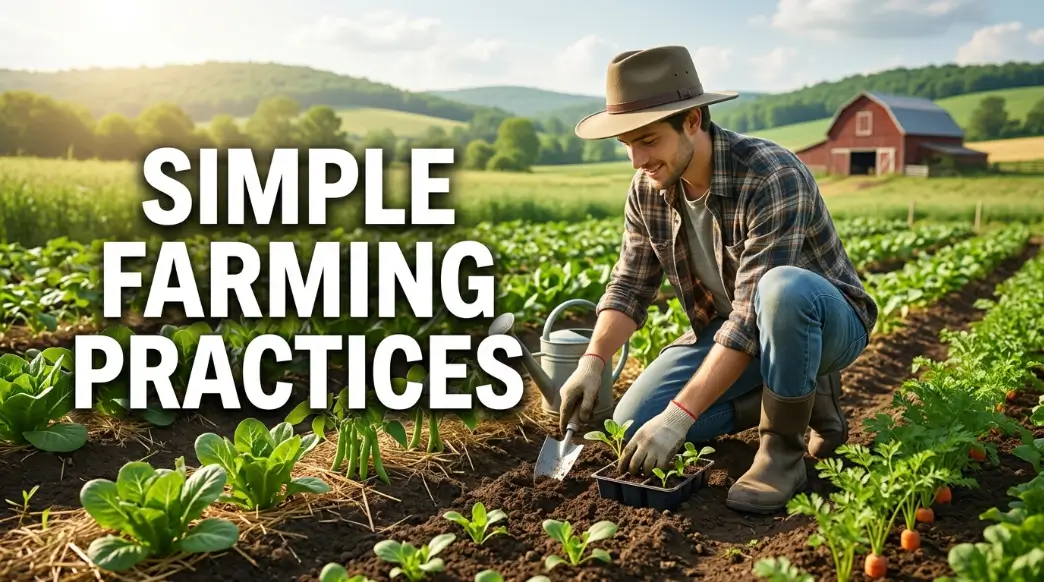
Starting out in farming can feel like a lot to take in at once. Between soil, seeds, water, pests, and weather, it is easy to feel unsure of where to focus your energy first. The good news is that farming does not have to be complicated to be successful. A handful of simple, proven practices can set you up for a strong start, even if you have never grown anything before.
In this post, we will walk through practical farming habits that any beginner can pick up quickly. None of these require expensive tools or years of experience, just a bit of attention and consistency.
Why Learning the Basics First Matters
Many new farmers try to jump straight into advanced techniques without understanding the fundamentals. This often leads to wasted money, failed crops, and frustration that could have been avoided. Building a solid foundation with simple practices makes it much easier to grow your skills and your farm over time.
Start With a Small Plot
Trying to manage too much land in your first season is one of the most common mistakes new farmers make. Starting small allows you to learn how your soil behaves, how your crops respond, and how much time daily farm tasks actually take, all without the pressure of managing a large operation.
Know Your Soil Before You Plant
A simple soil test tells you the pH level and nutrient content of your land, which helps you choose the right crops and fertilizer from the start. Skipping this step often means guessing, which can lead to poor plant growth and wasted seed.
Choose Crops That Match Your Climate
Every region has a natural growing season and climate pattern. Picking crops that are known to grow well in your area gives you a much higher chance of success than trying to force a plant that struggles with your local weather conditions.
Water Consistently Rather Than Heavily
New farmers sometimes think more water is always better, but consistent watering matters more than large amounts given at random times. A steady watering schedule keeps soil moisture even, which supports healthier root growth.
Learn to Read Your Plants
Plants often show visible signs when something is wrong, such as yellowing leaves, wilting, or slow growth. Learning to notice these early signals allows you to fix small problems before they turn into bigger losses.
Practice Crop Rotation From the Start
Rotating what you plant in each section of your field helps keep soil healthy and reduces the buildup of pests and disease that target a single crop grown repeatedly in the same spot. Even a simple two or three crop rotation plan makes a noticeable difference over time.
Keep Weeds Under Control Early
Weeds compete with your crops for nutrients, water, and sunlight. Pulling or managing them while they are small saves a lot of effort compared to dealing with an overgrown field later in the season.
Read More: 18 Best Crops for Small Farms Every Beginner Should Grow
Use Mulch to Protect Your Soil
A layer of mulch around your plants helps retain moisture, blocks weed growth, and keeps soil temperature more stable. It is a low cost practice that pays off throughout the entire growing season.
Keep a Simple Farm Journal
Writing down what you planted, when you planted it, and how it turned out gives you valuable information for future seasons. Over time, this record becomes one of your most useful tools for making better decisions on your farm.
Learn Basic Pest Identification
Not every insect in your field is harmful, and some are actually beneficial for pollination or pest control. Learning to tell the difference between helpful and harmful insects prevents you from accidentally removing the ones that are helping your crops.
Rotate Tasks Based on the Season
Farming follows a natural rhythm throughout the year, from planting to maintenance to harvest to soil preparation for the next cycle. Learning this rhythm early helps you plan your time and avoid feeling overwhelmed during busy periods.
Talk to Local Farmers and Extension Offices
Farmers in your area have firsthand knowledge of what grows well locally and what challenges to expect. Local agriculture extension offices often provide free advice, soil testing, and resources specifically suited to your region.
Start Composting Early
Composting kitchen scraps, plant waste, and other organic material gives you a free, natural way to improve soil health over time. Starting a compost pile early in your farming journey means you will have rich material ready when your soil needs it most.
Read More: How Much Water Do Crops Need? Explained Simply
Do Not Be Afraid of Small Failures
Every farmer, no matter how experienced, deals with crop losses and unexpected setbacks. Treating these moments as learning opportunities instead of failures helps you improve faster and build the confidence needed to keep growing your farm.
Final Thoughts
Farming is a skill that grows with practice, patience, and attention to detail. You do not need to master everything at once. Focus on these simple practices first, stay consistent, and let your knowledge build naturally season after season. Over time, these small habits add up to a farm that runs smoothly and produces reliable results.