The Best Fluffy Pancakes recipe you will fall in love with. Full of tips and tricks to help you make the best pancakes.
How Much Water Do Crops Need? Explained Simply

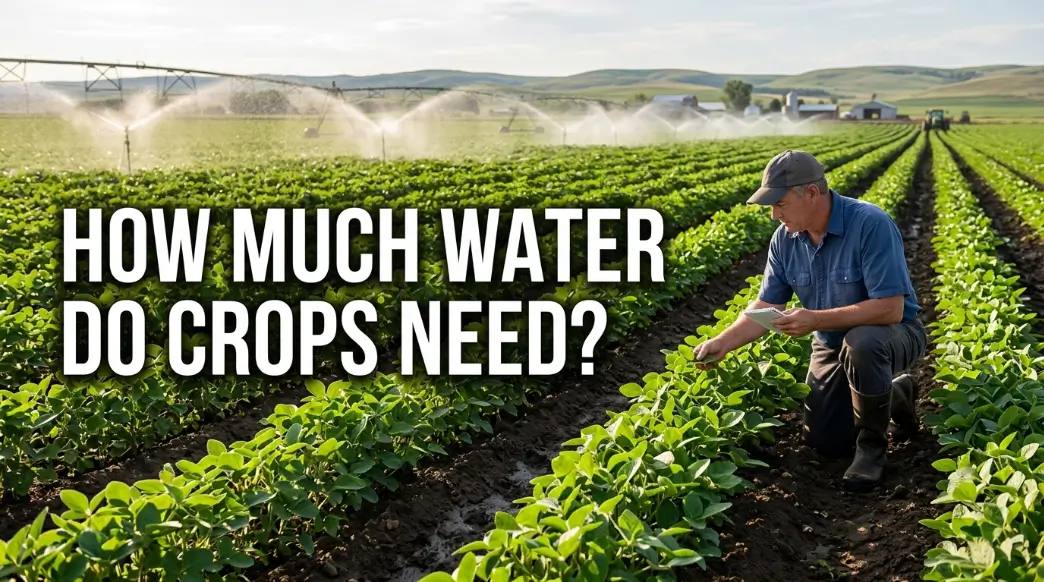
Water is one of the most important factors in growing healthy crops, yet many farmers and home gardeners are never quite sure how much to give their plants. Too little water stresses the plant and cuts down on yield. Too much water can drown roots and invite disease. Getting it right is not complicated once you understand the basics.
In this post, we will break down how much water different crops actually need, what affects those needs, and how you can water more effectively without wasting time or money.
Why Water Amounts Vary So Much Between Crops
Not every plant needs the same amount of water. Some crops, like rice, are grown in flooded fields, while others, like cacti and certain herbs, thrive with very little moisture. The water needs of a crop depend on its root depth, leaf size, growth stage, and how much water it loses through its leaves during hot weather.
Average Water Needs by Growth Stage
Plants do not need the same amount of water throughout their entire life cycle. Understanding each stage helps you avoid both overwatering and underwatering.
Germination Stage
During germination, seeds need consistent moisture to sprout, but the soil should stay damp rather than soaked. Too much water at this stage can cause seeds to rot before they even sprout.
Vegetative Growth Stage
As plants grow leaves and stems, their water needs increase steadily. This is the stage where roots are expanding and the plant is building the structure it will use to produce fruit or grain later on.
Flowering and Fruiting Stage
Water needs usually peak during flowering and fruit development. A shortage of water during this stage often leads to smaller fruit, fewer flowers, or dropped blossoms, which directly reduces your harvest.
Maturation Stage
As crops near harvest, many plants actually need less water. Cutting back slightly during this final stage can improve flavor and reduce the risk of splitting in crops like tomatoes and melons.
How Much Water Common Crops Need Each Week
Here is a general guide for weekly water needs of some common crops, measured in inches of water per week during the main growing season.
Tomatoes generally need about one to two inches per week, with more required during hot, dry stretches.
Corn typically needs around one to one and a half inches per week, especially during the tasseling and ear filling stages.
Lettuce and other leafy greens need lighter but more frequent watering, usually around one inch per week spread across several small waterings.
Potatoes need roughly one to two inches per week, with consistent moisture being more important than large amounts at once.
Beans usually require about one inch per week, though this can rise slightly during flowering and pod development.
Squash and cucumbers often need one to two inches per week since their large leaves lose a lot of moisture through evaporation.
These numbers are general starting points. Local climate, soil type, and rainfall all play a role in adjusting the exact amount your crops need.
Read More: 18 Best Crops for Small Farms Every Beginner Should Grow
Factors That Affect How Much Water Your Crops Need
Soil Type
Sandy soil drains quickly and needs more frequent watering, while clay soil holds water longer but can become compacted and waterlogged if overwatered. Loamy soil, a mix of sand, silt, and clay, tends to hold moisture well without drowning roots.
Climate and Weather
Hot, dry, and windy conditions increase water loss through evaporation and plant transpiration, meaning crops need more frequent watering during these periods. Cooler, humid weather reduces water demand significantly.
Root Depth
Deep rooted plants like corn and tomatoes can access water stored lower in the soil, so they may need less frequent watering than shallow rooted crops like lettuce, which rely on moisture near the surface.
Mulch and Ground Cover
A layer of mulch around your plants slows evaporation and keeps soil moisture more consistent, which can reduce how often you need to water by a noticeable amount.
Signs Your Crops Are Getting Too Little Water
Wilting leaves, especially during the hottest part of the day, are often the first visible sign of water stress. Dry, cracked soil and slowed growth are also common signals. In severe cases, leaves may turn yellow or brown at the edges and drop off the plant entirely.
Signs Your Crops Are Getting Too Much Water
Yellowing leaves that stay soft rather than crisp, along with a musty smell from the soil, often point to overwatering. Roots sitting in waterlogged soil can develop rot, which shows up as stunted growth and a general decline in plant health even though the soil looks plenty wet.
Read More: 15 Proven Ways to Save Water in Agriculture
Simple Ways to Water Crops More Effectively
Watering early in the morning gives plants time to absorb moisture before the heat of the day causes evaporation. Drip irrigation delivers water directly to the root zone, cutting down on waste compared to overhead sprinklers. Checking soil moisture with your finger or a simple moisture meter before watering can prevent both overwatering and underwatering, since it removes the guesswork from your routine.
Final Thoughts
There is no single number that works for every crop, garden, or field. Paying attention to your specific plants, their growth stage, your soil type, and the weather will guide you toward the right amount far better than a generic chart ever could. Start with the general guidelines above, watch how your plants respond, and adjust from there. Over time, watering your crops the right amount becomes second nature and your harvest will show the difference.