The Best Fluffy Pancakes recipe you will fall in love with. Full of tips and tricks to help you make the best pancakes.
15 Proven Ways to Save Water in Agriculture

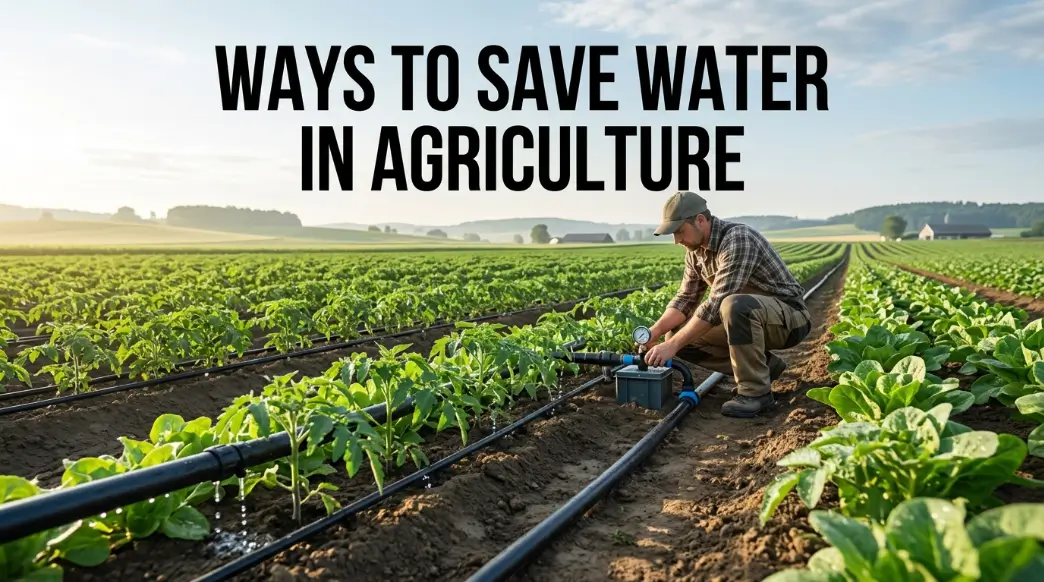
Water is one of the most valuable resources on any farm, yet a huge amount of it gets wasted every single season through runoff, evaporation, and inefficient watering methods. With water becoming more expensive and less predictable in many regions, learning how to use it wisely is no longer optional for serious farmers.
In this post, we will go through 15 proven methods that can help you cut down on water waste while still keeping your crops healthy and productive. Many of these changes are simple to apply and can start saving you money right away.
Why Saving Water in Agriculture Matters
Farming uses more water than almost any other industry, which means even small improvements in water efficiency can add up to major savings over a full growing season. Beyond cutting costs, using water wisely also protects local water supplies, reduces soil erosion, and keeps your farm running smoothly during dry spells or drought years.
1. Switch to Drip Irrigation
Drip irrigation delivers water directly to the base of each plant instead of spraying it across the whole field. This method can cut water use significantly compared to traditional sprinklers, since less water is lost to evaporation or runoff.
2. Water Early in the Morning
Watering during the early morning hours reduces water loss from evaporation, since temperatures are cooler and winds are usually calmer. This simple timing change alone can make a noticeable difference in how much water actually reaches plant roots.
3. Use Soil Moisture Sensors
Soil moisture sensors take the guesswork out of watering by telling you exactly when your soil needs more water and when it does not. This prevents the common habit of watering on a fixed schedule regardless of actual soil conditions.
4. Apply Mulch Around Your Crops
A layer of mulch on top of the soil slows down evaporation and keeps moisture locked in around plant roots for longer. Straw, wood chips, and plastic mulch are all common choices depending on your crop and budget.
5. Improve Soil Health With Organic Matter
Soil rich in organic matter holds water far better than compacted or sandy soil. Adding compost, manure, or cover crop residue over time builds soil that naturally retains more moisture, reducing how often you need to water.
6. Group Crops With Similar Water Needs Together
Planting crops with similar water requirements in the same section of your field allows you to water more precisely instead of overwatering low need plants just to satisfy nearby high need ones.
Read More: 15 Proven Ways to Save Water in Agriculture
7. Fix Leaks in Your Irrigation System
Even a small leak in an irrigation line can waste a large amount of water over the course of a season. Regularly checking your system for leaks, cracks, and worn connections is a simple habit that prevents ongoing water loss.
8. Use Rainwater Harvesting
Collecting rainwater in tanks or ponds during wet periods gives you a free water source to draw from during drier stretches. This reduces your reliance on wells or municipal water and lowers your overall water costs.
9. Practice Deficit Irrigation When Appropriate
Deficit irrigation involves giving certain crops slightly less water than their maximum need during specific growth stages, without significantly hurting yield. This technique works well for crops like grapes and certain grains, and it can lead to real water savings across a season.
10. Level Your Fields Properly
Uneven fields cause water to pool in low spots while leaving high spots dry, which wastes water and creates uneven crop growth. Laser leveling or basic field grading helps water spread evenly across the entire area.
11. Reduce Tillage
Excessive tillage breaks down soil structure and increases water loss through evaporation. Reduced tillage or no till farming methods help keep soil intact, which improves its ability to hold onto moisture.
12. Grow Drought Tolerant Crop Varieties
Many seed companies now offer crop varieties specifically bred to handle lower water conditions without a major drop in yield. Switching to these varieties, where practical for your operation, can lower your overall water demand.
13. Use Cover Crops During the Off Season
Cover crops protect bare soil from sun and wind exposure, which reduces water loss between growing seasons. They also improve soil structure over time, which helps the ground retain more moisture once your main crop is planted again.
Read More: Simple Farming Practices Every Beginner Can Learn Quickly
14. Monitor Weather Forecasts Before Watering
Checking the forecast before running irrigation prevents the common mistake of watering right before a rainstorm. This small habit alone can save a surprising amount of water over the course of a year.
15. Train Farm Workers on Water Efficient Practices
If you have employees or family members helping with irrigation, making sure everyone understands proper watering timing, amounts, and equipment use prevents accidental waste. A quick training session can lead to consistent water saving habits across your whole operation.
Final Thoughts
Water efficiency is not about doing one big thing right, it is about combining several small, consistent habits that add up over an entire growing season. Start with a few changes from this list, such as adjusting your watering schedule or checking for leaks, and build from there. Over time, these practices will lower your water bill, protect your soil, and keep your farm strong even during dry years.