The Best Fluffy Pancakes recipe you will fall in love with. Full of tips and tricks to help you make the best pancakes.
Best Fertilizers for Plants to Boost Growth, Flowers and Yields

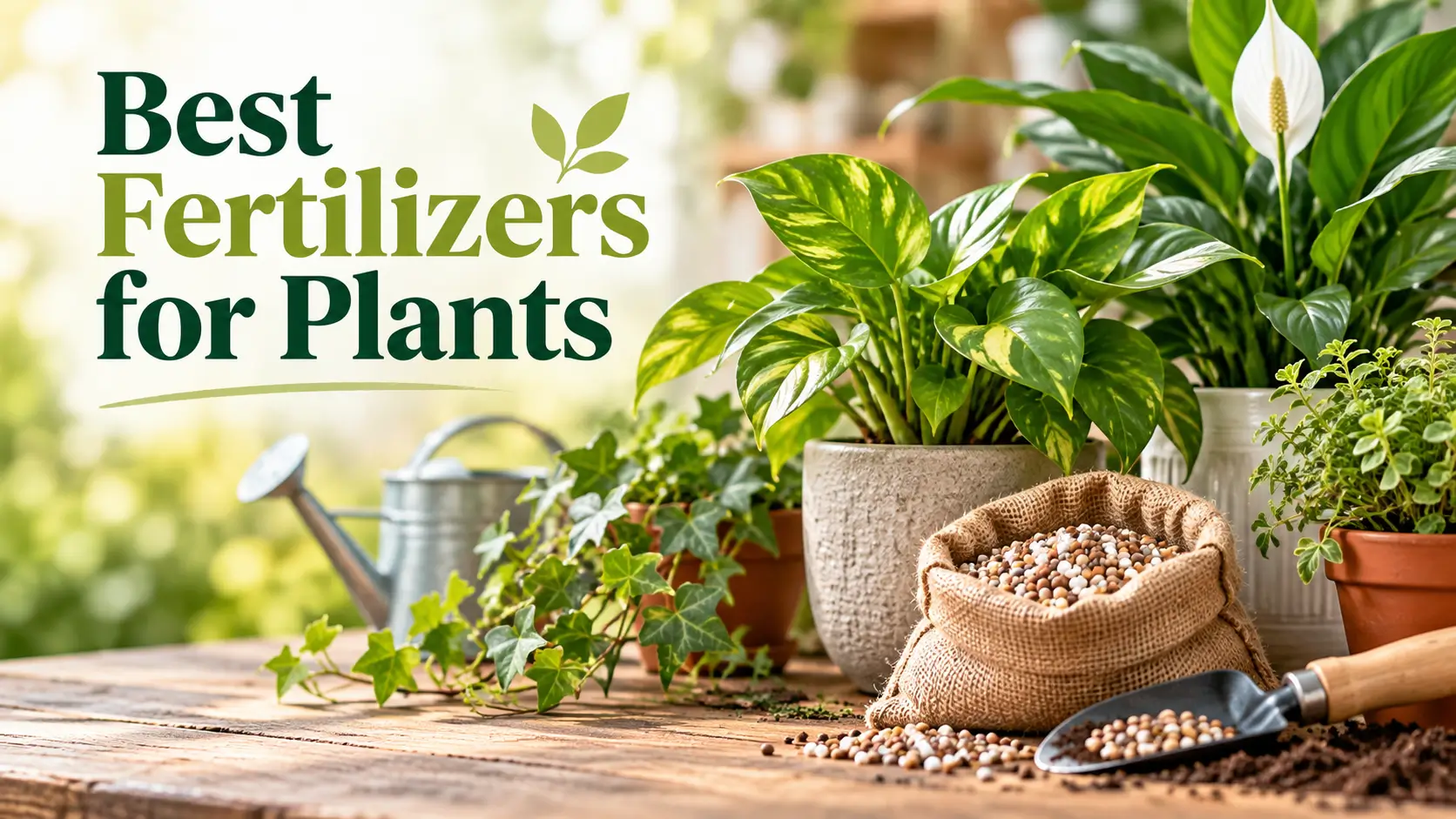
Walk into any garden center and you will find shelves packed with fertilizer bags, each one promising bigger blooms, greener leaves, or heavier harvests. With so many options, it is easy to feel confused about what your plants actually need. The truth is, choosing the right fertilizer does not have to be complicated once you understand the basics.
In this post, we will break down the best fertilizers for different growth goals, how to read fertilizer labels, and simple tips for feeding your plants the right way at the right time.
Why Fertilizer Matters for Healthy Plants
Plants pull nutrients from the soil as they grow, and over time those nutrients get used up, especially in gardens and farms where the same ground is planted year after year. Fertilizer replaces what the soil has lost, giving plants the building blocks they need for strong roots, healthy leaves, colorful flowers, and a good harvest.
Understanding the Three Main Nutrients
Most fertilizer labels show three numbers, known as the NPK ratio. These numbers stand for nitrogen, phosphorus, and potassium, the three primary nutrients every plant needs in different amounts depending on its stage of growth.
Nitrogen for Leafy Growth
Nitrogen supports the growth of stems and leaves, making it especially important for leafy vegetables, lawns, and young plants in their early growth stage. Too much nitrogen, however, can lead to lots of leafy growth with fewer flowers or fruit.
Phosphorus for Roots and Flowers
Phosphorus plays a major role in root development and flower or fruit production. Plants that are just getting established, or those about to bloom, often benefit from a fertilizer with a higher phosphorus content.
Potassium for Overall Plant Health
Potassium supports the overall strength of a plant, helping it resist disease, tolerate stress from heat or cold, and produce better quality fruit. It is often called the nutrient behind stronger stems and improved plant resilience.
Best Fertilizers to Boost Overall Growth
For general plant growth, a balanced fertilizer with roughly equal amounts of nitrogen, phosphorus, and potassium works well. Compost is also an excellent choice here, since it slowly releases a wide range of nutrients while improving soil structure at the same time. Fish emulsion is another popular natural option that gives plants a gentle, steady supply of nitrogen and other nutrients.
Best Fertilizers to Boost Flowering
If your goal is more blooms, look for a fertilizer higher in phosphorus, often labeled as a bloom booster. Bone meal is a natural source of phosphorus that many gardeners use specifically to support flower and root development. Epsom salt, while not a complete fertilizer, is sometimes added in small amounts to support magnesium levels, which can play a supporting role in flower production.
Best Fertilizers to Boost Fruit and Vegetable Yields
For fruiting plants like tomatoes, peppers, and squash, a fertilizer with balanced or slightly higher phosphorus and potassium tends to produce better results once flowering begins. Composted manure adds a broad range of nutrients over time and is a favorite among vegetable growers for building long term soil fertility. Kelp meal is another natural option known for supporting fruit development and overall plant vigor.
Organic Versus Synthetic Fertilizers
Organic fertilizers, such as compost, manure, and bone meal, release nutrients slowly as they break down in the soil. They tend to improve soil health over time and are gentler on plant roots. Synthetic fertilizers act faster and give you more precise control over nutrient amounts, but they do not improve soil structure the way organic options do and can be easier to overapply by mistake.
How to Read a Fertilizer Label
The three numbers on a fertilizer bag represent the percentage of nitrogen, phosphorus, and potassium by weight. A bag labeled 10 10 10 contains equal parts of each nutrient, while a bag labeled 5 10 5 has more phosphorus relative to nitrogen and potassium, making it a better fit for flowering plants. Always check the label for application instructions, since overusing fertilizer can harm plants and waste money.
When to Apply Fertilizer
Most plants benefit from fertilizer at the start of their growing season, when they are actively producing new leaves and roots. A second application often makes sense right before flowering or fruiting begins, since this is when nutrient demand tends to increase. Avoid heavy fertilizing late in the season, especially for perennial plants, since it can encourage new growth that is not ready for cooler weather ahead.
Common Fertilizing Mistakes to Avoid
Applying too much fertilizer is one of the most common mistakes new gardeners and farmers make, often leading to burned roots or excessive leafy growth with little fruit or flowers. Watering right after fertilizing helps nutrients soak into the soil properly instead of sitting on the surface. It also helps to fertilize based on a soil test rather than guessing, since your soil may already have plenty of a certain nutrient and adding more can throw off the balance.
Final Thoughts
There is no single fertilizer that works perfectly for every plant or every goal. Understanding what your plants need at each stage, from strong leafy growth to more flowers to a bigger harvest, helps you choose the right product instead of guessing. Start with a soil test if possible, pick a fertilizer that matches your specific goal, and apply it at the right time. With a little attention, your plants will reward you with healthier growth and a better yield season after season.